
18 Vegetables You Should Never Grow Together
Gardeners know that planting the right vegetables together can lead to a bountiful harvest. But did you know that some vegetable pairings can actually sabotage your garden?
Whether it’s due to competition for nutrients, pest attraction, or growth interference, some plants simply don’t get along.
1. Peas and Onions
Peas and onions might seem like harmless companions, but they don’t play nice in the garden. Onions can stunt the growth of peas by competing for soil nutrients. This makes it harder for peas to thrive, preventing them from reaching their full potential.
2. Spinach and Potatoes
Spinach and potatoes make an odd couple. While spinach is a light feeder, potatoes are heavy nutrient consumers. When grown together, spinach doesn’t get the nutrition it needs, leading to poor growth. It’s best to plant these two vegetables in separate beds.
3. Zucchini and Pumpkins
Both zucchini and pumpkins are loved by squash vine borers. If you plant them too close together, you create the perfect environment for these pests to thrive, leading to major damage in your garden. Keep these two apart to prevent a disaster.
4. Cucumbers and Potatoes
Cucumbers and potatoes share a common enemy—phytophthora blight, a disease that can spread rapidly between them if they’re planted too close. Additionally, potatoes require large amounts of nutrients, leaving cucumbers with nothing to thrive on. These two don’t make the best neighbors.
5. Carrots and Dill
Carrots and dill seem like a perfect match, especially when dill is young, as it helps repel pests. However, as dill matures, it begins to stunt carrot growth. The relationship between these two is like that of frenemies—good at first, but ultimately toxic to each other in the long run.
6. Garlic and Asparagus
Garlic is a garden hero, repelling many pests, but it’s not so friendly with asparagus. Garlic can stunt the growth of asparagus, making it difficult for this delicate vegetable to thrive. If you want healthy asparagus, keep garlic at a distance.
7. Broccoli and Strawberries
Broccoli and strawberries may sound like they belong together, but they don’t get along well in the garden. Strawberries attract pests that target broccoli, while broccoli secretes compounds that inhibit strawberry growth. Keep these two on opposite ends of your garden for optimal growth.
8. Lettuce and Parsley
You might think lettuce and parsley would pair nicely, but parsley can quickly overwhelm lettuce. Parsley tends to smother lettuce, draining the soil of nutrients and leaving the lettuce weak and limp. Keep these two apart if you want healthy, vibrant lettuce.
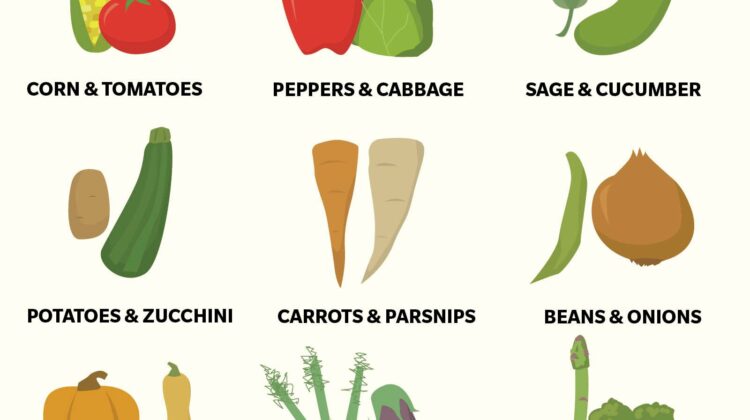
9. Tomatoes and Corn
Tomatoes and corn are both susceptible to the same pest, the corn earworm (also known as the tomato fruit worm). Planting them near each other creates a feeding ground for these pests, which can easily spread from one plant to the other, causing chaos in your garden.
10. Beets and Pole Beans
Beets and pole beans don’t get along well in the garden. Pole beans can inhibit the growth of beets, leading to a disappointing harvest of both. These two vegetables tend to get in each other’s way, making them poor companions.
11. Peppers and Fennel
Fennel is a notorious loner in the garden. Its allelopathic properties can hinder the growth of many plants, and peppers are no exception. If you want healthy, productive pepper plants, keep fennel far away.
12. Kale and Strawberries
Kale and strawberries don’t mix well due to pest issues. Strawberries attract aphids, which love to munch on kale, while the ground cover of strawberries can choke out kale’s growth. These two should never share the same space.
13. Radishes and Hyssop
Hyssop is a fragrant herb that can interfere with the growth of radishes. When planted together, hyssop can stunt radish growth, making it a bad companion plant. Think of hyssop as a neighbor that crowds out everything else.
14. Cabbage and Grapes
Cabbage and grapes might sound like an unusual pair, but they don’t get along. Grapes release chemicals that inhibit cabbage growth, leading to stunted cabbage plants. Keep these two far apart to ensure a healthy garden.
15. Squash and Potatoes
Squash and potatoes are both magnets for pests like potato beetles and squash bugs. When planted together, they create a perfect storm for pests to wreak havoc on your garden. Keep them separated to reduce the risk of pest damage.
16. Celery and Parsnips
Celery and parsnips are not good companions due to competition for nutrients. Additionally, pests attracted to celery can damage parsnips. Plant these root vegetables separately to avoid stunted growth and pest problems.
17. Eggplants and Fennel
Just like peppers, eggplants don’t do well with fennel. Fennel can release chemicals that interfere with eggplant growth, leading to smaller, less productive plants. Keep fennel away from your eggplants to ensure they grow strong and healthy.
18. Onions and Beans
Onions may help repel pests, but they’re not a great match for beans. Onions can interfere with the nitrogen fixation process of beans, which is crucial for their growth. Without this process, beans may struggle to thrive.